Urgent stain removal and same day cleaning Hounslow guide
If you have just spilled red wine on the carpet, dropped curry on the sofa, or found a mystery mark on a rug you need for tomorrow, the clock suddenly feels very loud. That is exactly where this Urgent stain removal and same day cleaning Hounslow guide comes in. It explains what to do first, when same day cleaning is realistic, and how to reduce the risk of a stain becoming permanent.
Truth be told, most stains are less about the mess itself and more about the waiting. Leave them too long and they sink deeper, spread wider, or change colour in ways that are annoying at best and expensive at worst. This guide gives you practical steps for homes and businesses in Hounslow, plus a simple way to decide whether to handle it yourself or book professional help.
For readers comparing services, it also helps to know what a specialist can do for different materials. A proper response is not one-size-fits-all, and that matters with carpets, upholstery, curtains, mattresses, and delicate rugs. If you need broader help beyond one mark or one spill, you may also want to look at the company's stain removal service, carpet cleaning, or upholstery cleaning options while you read.
Quick takeaway: act fast, blot rather than rub, check the fabric type before using anything wet, and if the stain is large, oily, coloured, or already setting, same day professional cleaning is often the safer call.
Why urgent stain removal matters
Stains do not stay still. That is the annoying bit. A fresh spill may look small at first, but liquids wick into fibres, food residue binds to yarns, and heat can lock some marks in place. In a busy Hounslow home or workplace, that means a quick accident can turn into a long-term blemish if nobody acts promptly.
Urgent stain removal matters for three simple reasons. First, appearance: a visible mark can make a clean room feel untidy no matter how hard you have worked elsewhere. Second, hygiene: spills left on textiles can smell, attract dirt, or in the case of food and drink, create a sticky patch that collects more debris. Third, cost: the longer a stain sits, the more likely it is that you will need a deeper clean, specialist treatment, or replacement.
There is also a timing issue. Same day cleaning is not just about speed for speed's sake. It is often about stopping the stain from changing character. A coffee mark on a light carpet, for example, may begin as a simple surface spill and become a brown halo by evening. A pet accident can start as a visible patch and become an odour issue by nightfall. Nasty, really.
In commercial settings, urgency matters even more. A reception carpet, meeting room rug, or office sofa is part of the impression customers and staff carry with them. For that reason, many businesses in the area treat immediate cleaning as an operational issue, not a cosmetic one. If the job is larger or spread across multiple areas, commercial carpet cleaning can be the more sensible route.
Expert summary: The best time to deal with a stain is now, not later. The next best time is within the same day. After that, you are usually working against absorption, odour, and fibre damage.
How urgent stain removal and same day cleaning works
Same day cleaning usually starts with an assessment. A good cleaner wants to know what was spilled, where it happened, what the surface is made from, and how long it has been there. That sounds simple, but it shapes everything else. Cleaning a wool rug is a very different job from treating a polyester sofa cover or a sealed office carpet tile.
The process normally has four stages. First comes identification: the cleaner decides whether the stain is water-based, oil-based, protein-based, dye-based, or mixed. Second comes pre-treatment, which may involve a targeted solution chosen for the material. Third comes extraction, blotting, or controlled cleaning using the most suitable method. Finally there is drying and a final check to see whether any mark, shadow, or odour remains.
For same day calls, speed matters, but control matters more. If someone rushes in with too much liquid or the wrong chemical, they can push the stain deeper or spread it further. That is why professional stain work is usually careful, not aggressive. Gentle, then stronger if needed. Not the other way round.
On carpets, steam-based techniques may be appropriate for many stains when used correctly, especially where deep fibre flushing is needed. For that kind of work, steam carpet cleaning can be a relevant option, though the cleaner still has to judge the fibre type, backing, and drying time. On soft furnishings, the approach is more restrained because upholstery can distort or retain moisture if handled badly.
Sometimes the issue is not the visible stain but the smell or the residue left behind. That is common with pet accidents, milk spills, and food drops in warm rooms. In those cases, pairing stain treatment with pet stain and odour removal or material-specific upholstery care can make a real difference.
Key benefits and practical advantages
People usually call for urgent cleaning because they want one stain gone. Fair enough. But the broader benefits are often bigger than they first look.
- Better chance of full removal: Fresh stains are much easier to lift before they bond with fibres.
- Less spreading: Prompt treatment reduces the risk of a stain growing into a larger patch.
- Lower risk of odour: Food, drink, pet and organic stains are less likely to smell if tackled quickly.
- Reduced stress: A rapid response takes the pressure off when you have guests, tenants, or customers arriving.
- Protection of furnishings: Acting early can help preserve carpets, rugs, curtains, sofas, and mattresses.
- More predictable cost: A smaller problem is usually cheaper and easier to resolve than a set-in stain.
There is also a practical emotional benefit that people rarely mention. A stain in the middle of a lived-in room can make the whole place feel messy, even when everything else is tidy. One quick intervention and the room feels like itself again. You notice that immediately, especially in daylight.
For landlords, tenants, hosts, and office managers, same day support can also help avoid disputes or knock-on delays. If a move-out inspection, rental handover, or client visit is looming, having the stain assessed and dealt with promptly can save a lot of back-and-forth. And yes, a lot of awkward sighing too.
Who this is for and when it makes sense
This kind of service is useful for more people than you might think. It is not just for emergencies, although it does shine in emergencies.
- Homeowners and tenants dealing with wine, tea, coffee, make-up, grease, blood, mud, paint splashes, or pet accidents.
- Families with children where spills happen at the exact wrong time, which is to say often.
- Landlords and letting agents who need a room presentable for check-in, check-out, or inspection.
- Hospitality and office businesses that want to keep floors and seating smart between appointments.
- People with delicate furnishings who are not comfortable using random cleaning products on valuable items.
- Anyone facing a set-in smell as well as a visible stain.
It makes sense when the stain is fresh, the item matters, and the timing matters. It may also make sense if you have tried a cautious first clean and the mark has improved but not disappeared. That half-fixed stage is frustrating, but it is also a good point to stop and bring in someone with the right tools before you make things worse.
Not every spill is urgent in the same way. A tiny water ring on a sturdy surface is not the same as red wine on pale wool. A quick judgement call helps. If you are looking at the mark and thinking, "I really should not mess with this any more," that is usually a decent instinct. Listen to it.
Step-by-step guidance
If a spill happens now, here is the sensible order of operations. Nothing fancy. Just the bits that tend to work.
- Stop the source. Put the drink down, move the culprit item, or contain the leak so the stain cannot spread.
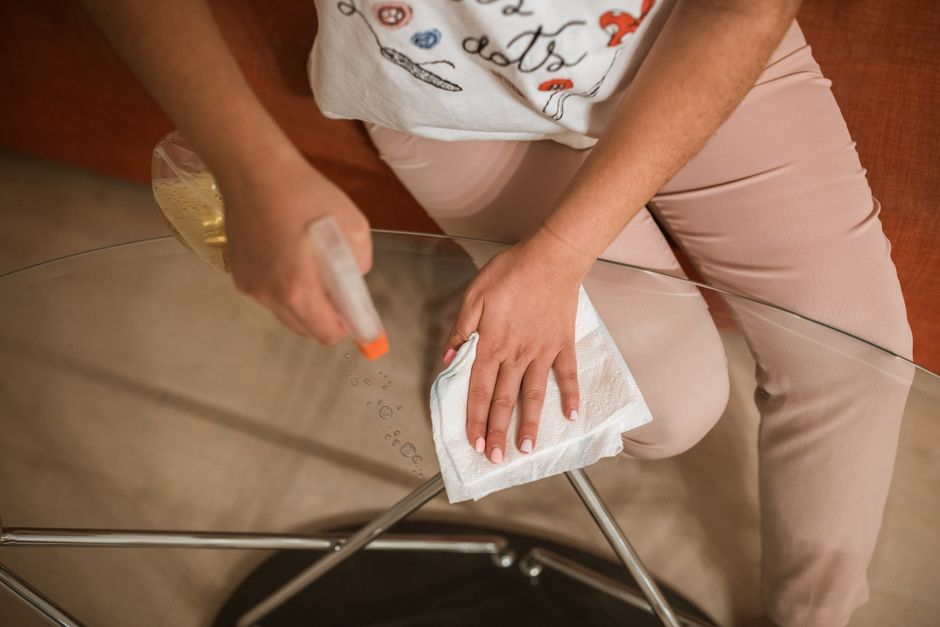
- Blot immediately. Use clean paper towels or a white cloth. Press gently. Do not scrub.
- Lift solids first. If the spill contains food, mud, or other debris, scoop up the excess before adding any liquid.
- Check the material. Look at the care label if it is a sofa cushion, curtain panel, or mattress cover. If in doubt, test a hidden area.
- Avoid over-wetting. Too much water can push the stain deeper and leave a bigger tide mark.
- Use the mildest safe treatment first. On many surfaces, a small amount of suitable cleaner or plain water is enough to start with.
- Blot again and repeat carefully. Small rounds of treatment are safer than one heavy-handed attempt.
- Dry the area. Open windows if possible, use airflow, and keep people off the damp patch.
- Call for same day support if needed. If the stain remains visible, smells, or has spread, move to professional help.
Here is a small real-world example. A coffee spill on a light office carpet at 9:15 in the morning may look embarrassing, but manageable. By midday, if people have walked over it, the fibres flatten and the mark picks up foot traffic dirt. By the afternoon, the stain can look twice its original size. That is why early action matters so much.
If you are arranging professional cleaning, gather a few details before you call. What caused the stain? How old is it? What is the material? Has anything already been applied? Those answers can shave time off the diagnosis and help the cleaner arrive with a better plan. It sounds small, but it helps a lot.
Expert tips for better results
There are a few habits that make urgent stain removal noticeably more successful. None of them are complicated, which is half the point.
- Always blot from the outside in. That helps avoid enlarging the stain.
- Use white cloths where possible. Coloured cloths can transfer dye, especially when damp.
- Patience beats force. A stain that fades in stages is still improving.
- Match the method to the fibre. Wool, synthetic carpet, silk, viscose, and leather all react differently.
- Watch for hidden wicking. Some stains return to the surface as they dry from below, so one pass may not be enough.
- Keep a note of what you used. That helps a technician decide the next step if you need help later.
One underrated tip: do not keep switching cleaners every five minutes. That is how well-meaning people create a chemical cocktail they never intended. A stain does not care that you were being enthusiastic. It just gets messier. A little annoying, yes, but very avoidable.
Another useful point is airflow. People often focus on the cleaner and forget drying. Yet drying can affect the final result just as much as the stain treatment itself. A patch that dries slowly in a closed room may smell stale or show a faint ring. Open the space up where you can, safely and sensibly.
If the problem is a rug, upholstered chair, or sofa, the cleaner may recommend a more tailored process. In those cases, a dedicated rug cleaning or sofa cleaning approach can be better than treating the item like standard carpet.
Common mistakes to avoid
This is where many good intentions go sideways. The good news is that most mistakes are familiar and preventable.
- Rubbing hard. It pushes the stain into the pile or fabric and can fray fibres.
- Using hot water too early. Heat can set some stains, especially protein-based ones.
- Pouring on too much product. More cleaner does not mean better cleaning.
- Ignoring fibre type. What works on a synthetic carpet can be risky on wool or delicate upholstery.
- Leaving the area wet for too long. Slow drying can create smells, marks, or mildew risk.
- Trying every product in the cupboard. A little discipline goes a long way.
- Waiting until the next day. By then, many stains have already become harder to shift.
There is also the temptation to treat every mark as a DIY job because it looks small. To be fair, some are. But a tiny stain can be deceptive, especially on light-coloured or absorbent material. If a mark is spreading, smells odd, or sits on a valuable piece, stop early rather than late.
One more common issue is forgetting about the backing or filling. On a carpet, the top may look nearly clean while the underlay still holds moisture or residue. On a mattress or sofa, the surface may look better while the smell lingers. That is why deeper professional treatment can be worth it.
Tools, resources and recommendations
You do not need a huge kit to deal with an urgent stain, just the right essentials and a bit of calm.
| Tool or item | Why it helps | Best use |
|---|---|---|
| White microfibre cloths | Absorb well and reduce dye transfer | Blotting fresh spills |
| Paper towels | Useful for quick initial absorption | Liquids on carpets, rugs and upholstery |
| Soft brush | Helps lift residue gently | Dry debris or light surface soil |
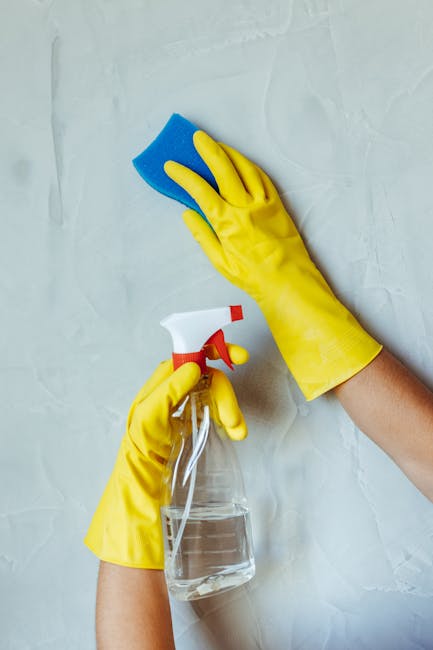
| Clean spray bottle | Controls water application | Targeted dampening, not soaking |
| Vacuum cleaner | Removes dry particles before cleaning | Mud, crumbs, grit, dried residue |
| Protective gloves | Keeps hands clean and limits contact with cleaners | General stain work |
For tougher or more valuable items, the recommendation is often to keep DIY tools light and leave the deeper work to professionals. If the stain is on a mattress, for example, moisture management matters a lot. A dedicated mattress cleaning approach is usually safer than improvised spot treatment.
It can also help to know where the company stands on service standards, care, and trust. Pages such as health and safety policy, insurance and safety, payment and security, and terms and conditions are useful for understanding how the service is run and what to expect before booking.
Law, compliance, standards and best practice
For stain removal, the main compliance issues are usually practical rather than legal. That said, responsible cleaning work in the UK should still follow sensible safety, product, and handling standards. In plain English: use appropriate products, protect people and property, and do not leave unsafe residues behind.
In homes, this mostly means reading care labels, checking manufacturer guidance where available, and being careful with chemical use around children, pets, and people with sensitivities. In workplaces, it means thinking about slip risk, ventilation, access control, and whether the area needs to be cordoned off while it dries. A wet carpet in a corridor is not just inconvenient; it can be a hazard.
Professional cleaners should also be clear about what they can and cannot guarantee. Some stains cannot be removed fully, especially if they are old, heat-set, dyed deeply into fibres, or caused by bleaching agents. A trustworthy cleaner will say so plainly rather than promising magic. That honesty matters.
If you are booking for commercial premises, you may also want a provider that follows documented procedures for safety, complaint handling, privacy, and sustainability. Those policies do not clean the stain themselves, obviously, but they do show that the service takes business seriously. That kind of structure is reassuring when the job is urgent and people are waiting on the outcome.
Options, methods and comparison table
When a stain appears, you generally have three routes: handle it yourself, use a targeted spot treatment, or bring in same day professional cleaning. The right choice depends on the material, the stain type, and how much risk you are willing to carry.
| Option | Best for | Pros | Cons |
|---|---|---|---|
| DIY blotting and mild cleaning | Small fresh spills on sturdy fabric | Fast, inexpensive, convenient | Easy to overdo, mixed results, limited reach |
| Targeted spot treatment | Known stain types on suitable materials | More focused than basic DIY, can improve visible marks | Risk of ring marks or fibre damage if used wrongly |
| Same day professional cleaning | Large, stubborn, valuable, or uncertain stains | Better diagnosis, stronger equipment, safer process | Costs more than DIY, availability can vary |
There is no shame in choosing the professional route sooner rather than later. In fact, that is often the smart move. You are not "failing" a DIY challenge. You are protecting the item and saving time. Simple as that.
For some jobs, the cleaner may recommend a service tailored to the exact surface. Curtains, for example, need different handling to carpets because of their hanging structure, dye stability, and drying behaviour. If the stain is on window dressings, curtain cleaning may be the more appropriate path.
Case study or real-world example
A small Hounslow cafe had a spill during a lunchtime rush: a tray of dark drinks tipped onto a light-coloured upholstered bench seat near the window. Staff blotted the surface straight away, moved customers clear, and avoided rubbing the fabric. Good first response, actually.
By the time the cleaner arrived later the same day, the top layer of the stain had already lifted a little, but there was still a dark edge and the cushion felt damp underneath. The technician treated the affected area carefully, worked in stages, and checked for residue after drying. The visible mark was reduced significantly, and the seating area was usable again without that embarrassing "we will just cover it with a cushion" workaround.
What made that job succeed was not magic equipment. It was quick action, the right expectations, and choosing same day help before the stain was left overnight. A later call would probably have meant more work, more smell, and more chance of a permanent shadow in the fabric.
That sort of example comes up often with food and drink spills, pet marks, and general household accidents. The pattern is pretty consistent: the earlier the response, the better the outcome.
Practical checklist
Use this quick checklist when a stain happens and you need to think clearly fast.
- Identify what caused the stain.
- Check whether the surface is carpet, rug, upholstery, curtain, mattress, or something else.
- Blot the spill gently with a clean white cloth.
- Remove any solids before adding moisture.
- Avoid scrubbing, soaking, or using heat too early.
- Test any cleaner in a hidden spot first.
- Watch for spreading, colour transfer, or odour.
- Allow proper drying and ventilation.
- Escalate to same day professional cleaning if the stain is large, valuable, or uncertain.
- Keep a note of anything already applied.
If you want a more general starting point before a targeted treatment, the company's stain removal page is a useful next step, especially when you are comparing methods across different fabric types.
Get a free quote today and see how much you can save.
Conclusion
Urgent stain removal is one of those tasks where timing, judgement, and calm action matter more than drama. In Hounslow, same day cleaning can be the difference between a stain that disappears quietly and one that stays with you for months. Whether the issue is on carpet, upholstery, a rug, a curtain, or a mattress, the key is to act early and avoid making the problem bigger than it already is.
If the stain is fresh and manageable, a careful blot and a sensible first response may be enough. If it is stubborn, spreading, or on a valuable item, professional same day help is often the safer and smarter choice. That is not overreacting. That is just good housekeeping, the practical kind.
And if all you do today is stop the stain getting worse, that still counts as a win. Sometimes that is the real victory anyway.
Frequently Asked Questions
What counts as an urgent stain?
An urgent stain is any mark that is fresh, spreading, smelly, highly visible, or on a material you do not want to damage. Red wine, coffee, pet accidents, ink, makeup, grease, and food spills are all common examples.
Can same day cleaning really remove a stain completely?
Sometimes yes, sometimes not fully. Fresh stains are much more likely to lift cleanly than old or heat-set ones. A professional can usually tell you early whether the mark is likely to disappear or only improve.
Should I use hot water on a fresh stain?
Not automatically. Hot water can set certain stains, especially protein-based ones like blood, milk, or food residue. Cool or lukewarm water is often safer until you know what the stain is.
What should I do first after spilling something on carpet?
Blot the spill gently with a clean cloth or paper towel, starting from the outside and working inward. Do not rub. Then assess whether the stain needs a mild treatment or same day professional help.
Are upholstery stains harder to remove than carpet stains?
Often yes, because upholstery can trap moisture, hold colour differently, and react badly to over-wetting. Sofas, chairs, and cushions usually need a more cautious approach than standard carpet.
How do I know if a stain is too risky to treat myself?
If the fabric is delicate, the stain is large, the item is valuable, or you are unsure what caused it, it is safer to stop and call a professional. That is especially true for wool, silk, viscose, and mixed fibres.
Will one cleaning visit be enough?
Sometimes it will be. For tougher stains, a cleaner may need to use a staged process or recommend follow-up treatment. It depends on the stain type, the material, and how long it has been there.
What about pet stains and odours?
Pet accidents often need more than surface cleaning because odour can sit below the visible mark. In those cases, a specialist odour and stain process is usually the better option.
Can I book same day cleaning for a business in Hounslow?
Yes, if availability allows and the provider can access the site quickly. This is especially useful for offices, hospitality venues, lettings, and reception areas where appearance matters during the day.
How should I prepare before the cleaner arrives?
Clear the area if you can, keep pets and children away from the stain, avoid adding more products, and tell the cleaner what caused the mark and what you have already tried. That information is genuinely useful.
Is stain removal the same as deep cleaning?
Not exactly. Stain removal is targeted to one mark or one problem area, while deep cleaning usually covers a larger section or an entire room. The two can overlap, but they are not the same job.
What if the stain has already dried?
A dried stain is harder, but not hopeless. Do not scrub it hard. A professional assessment may still improve the appearance significantly, especially if the stain has not been heat-set or chemically fixed.
Where can I learn more about related services?
For broader care across fabrics and surfaces, you may find it helpful to look at carpet cleaning, sofa cleaning, rug cleaning, and upholstery cleaning depending on what needs attention.