Commercial Carpet Cleaning in Modern Workspaces: What Businesses Need to Know
Why Commercial Carpet Cleaning Matters for Business Environments
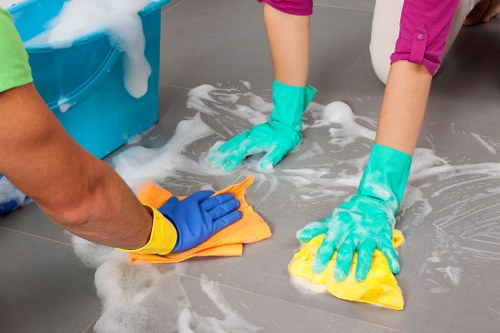
Commercial carpet cleaning is more than a cosmetic service. In offices, retail stores, hotels, medical suites, and other business spaces, carpets are part of the first impression visitors receive. Clean flooring can make a workplace feel polished, organized, and professionally managed. On the other hand, dull, stained, or odorous carpets can quietly undermine a brand’s image and make a space feel neglected.
For many organizations, commercial carpet cleaning also supports daily operations. Carpets trap dust, allergens, spilled liquids, soil, and debris brought in by foot traffic. Over time, that buildup affects appearance, indoor air quality, and even the lifespan of the carpet itself. When businesses invest in commercial carpet cleaning, they are also investing in cleaner indoor environments and longer-lasting flooring assets.
Regular maintenance can reduce replacement costs, support workplace hygiene, and help your business present a consistently professional image.
What Makes Commercial Carpet Cleaning Different?
Commercial carpet cleaning differs from residential cleaning in several important ways. Business environments typically experience heavier foot traffic, larger surface areas, and more varied types of soil. A lobby in a corporate office, for example, may collect grit and moisture from dozens or even hundreds of visitors each day. A restaurant carpet may need attention for grease, spills, and stains. A healthcare facility may require a stronger focus on sanitation and rapid drying.
Because of these conditions, commercial carpet cleaning often requires specialized equipment, commercial-grade cleaning solutions, and a tailored approach based on carpet fiber, traffic patterns, and use case. Professionals may use hot water extraction, low-moisture methods, encapsulation, or bonnet cleaning depending on the carpet’s needs and the business schedule.
Another key difference is timing. Many businesses need carpet cleaning performed outside normal operating hours to avoid interruptions. That means service planning is just as important as the cleaning itself. A reliable commercial carpet cleaning plan should be efficient, discreet, and designed to minimize downtime.
Common Problems That Call for Carpet Cleaning

Every commercial space develops unique carpet issues over time, but some concerns appear across many industries. Identifying them early can prevent deeper damage and reduce long-term costs. Commercial carpet cleaning is especially valuable when the following problems begin to show:
- Visible staining from coffee, ink, food, dirt, or tracked-in moisture.
- High-traffic wear patterns such as matting, flattening, and discoloration in corridors or entryways.
- Unpleasant odors caused by moisture, spills, or trapped debris.
- Allergen buildup that contributes to dust circulation and indoor air concerns.
- Recurring spots that return after basic cleaning because residue remains in the fibers.
In addition to visible soil, businesses should also watch for subtle signs like fading, a rough texture underfoot, or slower drying after spills. These issues can indicate that the carpet needs deeper professional attention. With timely commercial carpet cleaning, many of these problems can be corrected before they become permanent.
It is also worth remembering that not all stains are treated the same way. Ink, oil, protein-based soils, and tannin stains each require different cleaning strategies. This is one reason why experienced cleaning technicians often achieve better results than general maintenance alone.
Benefits of Professional Commercial Carpet Cleaning
Professional commercial carpet cleaning delivers advantages that go beyond appearance. One of the biggest benefits is improved longevity. Commercial carpet fibers absorb dirt and grit that act like sandpaper over time, gradually wearing down the material. Regular deep cleaning removes abrasive particles and can help carpets last longer, which protects a business’s flooring investment.
Another major benefit is better indoor air quality. Carpets can hold dust, pollen, pet dander, and other airborne contaminants. When foot traffic disturbs those particles, they can circulate through the building. Commercial carpet cleaning helps remove these trapped pollutants, which can contribute to a fresher and more comfortable environment for employees and guests.
Professional cleaning may also support workplace productivity. People generally feel better in spaces that look and smell clean. A well-maintained environment can improve morale, create a stronger impression on clients, and support customer confidence. For businesses that depend on reputation, these small details matter.
Additional Advantages for Business Owners

There are practical benefits too. A planned commercial carpet cleaning schedule can reduce emergency stain treatments, limit complaints about odors or cleanliness, and help managers stay ahead of maintenance tasks. In many cases, regular cleaning also makes day-to-day vacuuming more effective because the fibers remain less compacted and less contaminated.
Businesses often find value in scheduling seasonal cleaning as well as routine maintenance. For instance, winter months can bring in more moisture and debris, while spring may introduce pollen and outdoor dust. An organized commercial carpet cleaning program can respond to these seasonal challenges and maintain a more consistent standard throughout the year.
When carpets are maintained properly, they do more than look good—they help support a cleaner, healthier, and more efficient workplace.
Popular Methods Used in Commercial Carpet Cleaning
Choosing the right method depends on carpet type, soil level, business hours, and drying requirements. Professional providers typically recommend a cleaning process based on the condition of the carpet and the operational needs of the space. Some of the most common commercial carpet cleaning methods include:
- Hot water extraction – Often called steam cleaning, this method uses heated water and powerful suction to remove deep soil and residue.
- Encapsulation cleaning – A low-moisture option where cleaning polymers trap soil, which is then vacuumed away once dry.
- Bonnet cleaning – A surface-focused method that can refresh appearance in high-traffic settings between deep cleanings.
- Dry compound cleaning – Uses absorbent compounds to capture dirt with minimal moisture.
- Spot and stain treatment – Targets specific problem areas before or after the main cleaning process.
Each method has strengths. Hot water extraction is often ideal for deep cleaning, while low-moisture systems can be useful when businesses need fast turnaround. A skilled provider of commercial carpet cleaning will choose the method that balances effectiveness with minimal disruption.
It is also common for professionals to combine methods. For example, they may pre-treat stains, use hot water extraction on heavily soiled areas, and finish with a low-moisture treatment in zones that need quick drying. This layered approach can produce better results than a single method alone.
How Often Should Commercial Carpets Be Cleaned?
The ideal frequency for commercial carpet cleaning depends on traffic, industry, and the type of carpet installed. A busy lobby in a hotel may need attention more often than a private office with limited foot traffic. Likewise, healthcare settings, schools, and food-service spaces usually require more frequent service than conference rooms or executive offices.
As a general rule, many businesses benefit from a mix of regular vacuuming, spot cleaning, and periodic professional deep cleaning. High-traffic commercial areas may need cleaning every few months, while medium-traffic spaces may only need it two or three times per year. Some facilities may require monthly attention in critical zones and seasonal deep cleaning throughout the building.
The right schedule is not about guesswork; it is about matching the cleaning plan to actual use. A professional assessment can help determine how often commercial carpet cleaning should be performed based on your building’s daily demands, carpet construction, and appearance standards.
Factors That Affect Cleaning Frequency
Several practical factors influence how often businesses should schedule carpet care:
- Foot traffic volume throughout the day.
- Type of business, such as office, retail, hospitality, or healthcare.
- Presence of entry mats and other dirt-control systems.
- Climate and weather, especially in areas with rain, snow, or dust.
- Carpet color and fiber type, which may show soil more quickly.
- Special hygiene needs for facilities with strict sanitation expectations.
When these factors are evaluated together, the best commercial carpet cleaning schedule becomes much clearer. Businesses that monitor wear patterns and stain recurrence can adjust their frequency over time to stay ahead of problems.
In other words, the smartest plan is flexible. A low-traffic office may not need the same routine as a busy customer-facing venue, but both still benefit from structured maintenance.
Preparing a Business for Carpet Cleaning
Preparation can improve results and speed up the process. Before a service appointment, businesses should remove small items from the floor, secure sensitive documents, and identify any especially delicate furniture or equipment. Clear communication with the cleaning provider can help ensure the process is efficient and safe.
Many companies also benefit from designating a point of contact who understands access needs, alarm systems, and areas requiring special attention. This simple step can help the commercial carpet cleaning team move quickly through the space and focus on the most important zones.
If cleaning is scheduled after hours, preparation can also include planning airflow, signage, and re-entry timing so that the carpet has enough time to dry properly.
What Businesses Should Ask Before Service
Before booking a commercial carpet cleaning appointment, it is helpful to clarify the following:
- What cleaning method will be used?
- How long will drying take?
- Are stain treatments included or billed separately?
- Can the service be completed after business hours?
- Are eco-friendly or low-odor products available?
- Will the technician assess carpet fiber and backing before cleaning?
These questions help businesses choose a service that aligns with operational needs and carpet condition. They also reduce surprises and ensure that expectations are realistic from the start.
A quality commercial carpet cleaning provider should be able to explain each step in clear language and recommend the best approach for your specific environment.
Eco-Friendly Commercial Carpet Cleaning Options
As sustainability becomes a bigger priority, many companies are looking for environmentally responsible cleaning solutions. Eco-conscious commercial carpet cleaning may include biodegradable products, low-VOC formulas, reduced-water methods, and efficient equipment that minimizes waste. These options can support broader sustainability goals while still delivering strong cleaning results.
Low-moisture cleaning methods are especially attractive for businesses that want faster drying times and less disruption. They can also reduce the risk of over-wetting, which may help preserve carpet backing and reduce the chance of lingering dampness. For many facilities, eco-friendly commercial carpet cleaning is a practical choice that aligns with corporate responsibility values.
Green cleaning does not have to mean weaker cleaning. In many cases, modern products and equipment provide excellent performance while using fewer harsh chemicals. That makes them a smart option for offices, schools, hospitality spaces, and healthcare-related environments where indoor comfort matters.
Supporting Healthier Indoor Spaces
Commercial carpet cleaning can also contribute to a healthier workplace atmosphere. Cleaner carpets may reduce dust circulation, remove residues that contribute to odors, and help manage common irritants. While no carpet cleaning service can eliminate every environmental trigger, routine maintenance can be part of a larger indoor wellness strategy.
For businesses with clients, patients, or guests who are sensitive to odors or allergens, choosing the right cleaning product and timing can be particularly important. Low-odor treatments and proper ventilation may help the cleaning process remain more comfortable for everyone involved.
When combined with regular vacuuming, entry mats, and prompt spill response, commercial carpet cleaning becomes a key part of maintaining a more pleasant and professional interior environment.
How Commercial Carpet Cleaning Supports Brand Image
Brand image is shaped by details. A polished lobby, fresh-smelling conference room, or clean hallway communicates care and professionalism before a single conversation takes place. That is why commercial carpet cleaning often plays an understated but important role in how a business is perceived.
Clients and visitors may not comment on the flooring directly, but they notice when a space feels clean and well maintained. In retail settings, that can influence purchasing behavior. In offices, it can help reassure visitors that the business is organized and attentive. In hospitality, it may reinforce the overall guest experience. For these reasons, commercial carpet cleaning is not just maintenance—it is part of presentation.
A clean carpet can support a clean brand story.
Best Practices for Long-Term Carpet Care
Long-term success depends on more than occasional deep cleaning. Businesses should use a layered maintenance plan that includes preventative and corrective measures. A strong carpet care routine often includes:
- Frequent vacuuming with commercial-grade equipment.
- Entry mats at doors and high-traffic transitions.
- Immediate spill cleanup before stains set.
- Periodic commercial carpet cleaning.
- Routine inspections to catch wear and damage early.
These steps work together to preserve appearance and reduce the need for aggressive restoration later. When a carpet is properly maintained, each professional cleaning tends to be more effective because less embedded soil has built up between visits.
Businesses should also consider rotating furniture or adjusting traffic flow where possible. Sometimes simple layout changes can reduce wear in problem areas and make commercial carpet cleaning results last longer.
Choosing the Right Commercial Carpet Cleaning Service
Selecting the right provider can make a meaningful difference in results. Look for a company that understands the demands of commercial spaces, can recommend the correct cleaning method, and has experience working around business operations. Commercial carpet cleaning requires more than basic equipment; it requires planning, adaptability, and attention to detail.
Experience with different carpet fibers is also important. Nylon, olefin, wool, and blended carpets each respond differently to moisture, heat, and cleaning chemistry. A knowledgeable provider will assess the carpet before beginning and adjust the process accordingly. This helps avoid damage while improving the quality of the finished result.
In a business setting, the best cleaning choice is one that balances appearance, safety, speed, and long-term care.
Qualities to Look For
When comparing providers, businesses often value the following qualities:
- Clear communication and straightforward recommendations.
- Flexible scheduling options, including after-hours service.
- Commercial-grade equipment and proven cleaning methods.
- Knowledge of stain removal and fiber-specific care.
- Consistent results across large or complex facilities.
These qualities help ensure that commercial carpet cleaning is handled professionally from start to finish. They also reduce the risk of disruptions, poor drying performance, or inconsistent treatment across different areas of the property.
If you are evaluating maintenance options, now is a great time to contact us today to discuss a plan that fits your business needs and flooring conditions. A well-designed cleaning routine can protect your carpets and keep your workspace looking its best.
Commercial Carpet Cleaning and Cost Savings
Many business owners view professional carpet care as an expense, but it can also be a cost-control strategy. Dirt, stains, and neglect shorten carpet life, which can lead to earlier replacement and higher flooring costs. Routine commercial carpet cleaning helps preserve the carpet’s structure and appearance, delaying the need for major capital spending.
There are also indirect savings. Cleaner carpets may reduce the need for constant spot treatments, improve staff satisfaction, and help businesses present a more polished environment to customers. In facilities where image and comfort matter, that can support revenue-generating goals as well as maintenance goals.
Over time, regular commercial carpet cleaning can be far more economical than waiting until carpets are visibly failing.
Why Proactive Maintenance Pays Off
Proactive care reduces the chance of large-scale issues such as permanent staining, fiber damage, or odor buildup. It also gives businesses more control over scheduling and budgeting. Instead of reacting to emergencies, managers can plan commercial carpet cleaning at predictable intervals and incorporate it into routine facility maintenance.
This approach is especially useful for multi-location businesses or larger properties. Standardizing carpet maintenance across multiple sites can create consistency, simplify planning, and strengthen brand presentation from one location to another.
For many organizations, the real value of commercial carpet cleaning is not just in the immediate result, but in the stability it creates over time.
Final Thoughts on Maintaining Professional Carpet Standards
Commercial carpet cleaning is an essential part of keeping business spaces attractive, sanitary, and functional. From improving appearance to protecting carpet investment, the benefits are wide-ranging. Whether your property is a busy office, a retail shop, a hospitality venue, or a healthcare environment, a reliable carpet maintenance strategy can make a noticeable difference.
By understanding cleaning methods, scheduling needs, preparation steps, and long-term maintenance practices, businesses can make better decisions about their flooring care. The goal is not simply to remove dirt; it is to create a more welcoming, efficient, and professional environment for everyone who walks through the door.
When you are ready to improve your flooring maintenance plan, book your service now and take the next step toward cleaner, longer-lasting carpets. Commercial carpet cleaning is a smart investment in your workplace’s appearance, comfort, and reputation.