Mattress Cleaning: Fresh, Healthy, and Better Sleep Starts Here
Mattress cleaning is one of the most overlooked parts of home care, yet it plays a major role in sleep quality, indoor hygiene, and overall comfort. A clean mattress can help reduce odors, remove allergens, and extend the life of your bed. Whether you are dealing with dust, sweat, spills, pet hair, or stubborn stains, regular mattress cleaning can make a noticeable difference in how your bedroom feels and how well you rest each night.
Many people focus on washing sheets and vacuuming floors but forget that the mattress itself absorbs oils, moisture, skin cells, and everyday debris over time. Without proper mattress cleaning, those contaminants can build up and create a less healthy sleeping environment. For homeowners, renters, families, and anyone who values a tidy bedroom, mattress cleaning is a practical step that supports both comfort and cleanliness.
In this article, you will learn why mattress cleaning matters, how to clean a mattress safely, what stains require special attention, and how to keep your mattress fresher for longer. If you want cleaner sleep, better air quality, and a more inviting bedroom, mattress cleaning is a smart place to start.
Why Mattress Cleaning Matters for Every Home

Mattress cleaning is about more than appearance. A mattress can hold dust mites, dead skin cells, body oils, and moisture, all of which can affect comfort and hygiene. Over time, these buildup layers may lead to unpleasant odors and a less restful sleeping surface. Regular mattress cleaning helps create a healthier environment and supports better sleep hygiene.
Another important reason to prioritize mattress cleaning is allergy control. Dust mites thrive in warm, fabric-covered areas, and mattresses are a common place for them to live. If you often wake up sneezing, with itchy eyes, or feeling congested, mattress cleaning may help reduce some of the triggers in your bedroom. Clean bedding starts with a clean mattress, and that simple habit can improve the overall sleeping experience.
It also helps preserve your investment. Mattresses are not inexpensive, and proper mattress cleaning can extend their usable life by preventing stains, buildup, and material breakdown. When cared for correctly, a mattress stays more comfortable and supportive for longer.
Common Problems Found During Mattress Cleaning
When people begin mattress cleaning, they are often surprised by what appears on the surface or deep inside the fabric. Common issues include dust, pet dander, dead skin cells, sweat stains, food crumbs, and urine spots. Each of these can impact how clean and fresh the bed feels.
Odors are another frequent issue. Mattresses naturally absorb moisture from body heat and humidity, and that can create a stale smell. Mattress cleaning helps neutralize odors rather than simply covering them up. If you have noticed that your bedroom smells less fresh even after changing sheets, the mattress may be part of the problem.
Allergen buildup is also a concern. Dust mites, pollen, and pet hair can settle into the mattress fibers. Regular mattress cleaning and vacuuming reduce buildup and may help sensitive sleepers feel more comfortable. This is especially useful for households with children, pets, or seasonal allergies.
How Often Should Mattress Cleaning Be Done?
The right schedule for mattress cleaning depends on usage, lifestyle, and household conditions. As a general rule, vacuuming the mattress every one to two months is a good starting point. More detailed mattress cleaning, such as stain treatment or deodorizing, may be needed every few months or whenever spills occur.
Homes with pets, children, or allergy concerns may benefit from more frequent mattress cleaning. In these environments, debris and spills are more likely, and odors can develop faster. Seasonal deep mattress cleaning is also helpful, especially when the weather changes and humidity levels shift.
If you use a mattress protector, you can reduce how often deep mattress cleaning is needed. Still, even protected mattresses should be checked periodically for spots, dust, and smells. Routine mattress cleaning is the key to staying ahead of buildup instead of waiting until problems become difficult to handle.
Signs Your Mattress Needs Immediate Attention
Look out for these warning signs:
- Visible stains or discoloration
- Persistent odor even after airing out the room
- Increased allergy symptoms at night or in the morning
- Dust or debris collecting on the surface
- Pet accidents or beverage spills
Step-by-Step Mattress Cleaning at Home
Home mattress cleaning can be simple when you follow the right steps. Start by removing all bedding, including sheets, mattress toppers, and protectors. Wash these items separately so they do not reintroduce dirt onto the mattress later. Once the mattress is exposed, inspect the surface for stains, crumbs, and other visible issues.
The next step in mattress cleaning is vacuuming. Use a handheld vacuum or upholstery attachment to remove dust, hair, and loose debris from the top, sides, and seams. Pay special attention to edges and tufts because particles often gather there. This step is important because it removes dry debris before any moisture is introduced.
After vacuuming, spot-treat stains with a gentle cleaner suitable for mattresses. Avoid soaking the material, since too much moisture can lead to mold or mildew. Instead, use a small amount of cleaner on a cloth and blot the area carefully. Blotting is better than rubbing because it lifts the stain without spreading it deeper into the fabric.
Basic Mattress Cleaning Supplies
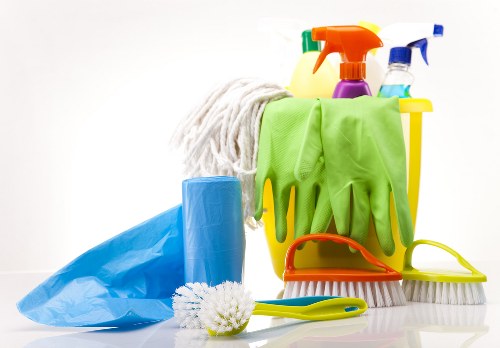
You do not need a long list of products to handle most mattress cleaning tasks. A simple kit may include:
- Vacuum with upholstery attachment
- Clean microfiber cloths
- Baking soda
- Gentle liquid detergent
- Hydrogen peroxide for certain stains
- Enzyme cleaner for organic spills
How to Remove Common Mattress Stains
Stain removal is one of the most common reasons people seek mattress cleaning tips. Different stains require different approaches, so it helps to identify the source before treating it. Acting quickly gives you the best chance of success, especially with fresh spills.
For sweat stains, a mild detergent solution can often help lift discoloration. Apply it lightly and blot the area with a clean cloth. For urine stains, an enzyme cleaner is usually the most effective because it breaks down the organic material rather than masking the odor. For blood stains, cold water and gentle blotting are preferred, since hot water can set the stain.
Food and drink spills should be handled promptly. Remove any solids first, then use a cloth to blot excess liquid. Mattress cleaning for beverage stains often works best when you keep moisture minimal and let the area dry completely afterward. Fast action can prevent minor accidents from becoming permanent marks.
Stain Treatment Tips
- Test any cleaner on a small hidden area first.
- Use small amounts of liquid to avoid soaking the mattress.
- Blot from the outside of the stain inward.
- Allow full drying before replacing bedding.
- Repeat treatment if needed, but do not oversaturate.
Deodorizing Methods That Support Mattress Cleaning

Odor control is a major benefit of mattress cleaning. Even when stains are not visible, a mattress may still hold smells from sweat, pets, smoke, or humidity. One of the simplest deodorizing methods is using baking soda. Sprinkle a light layer over the surface, let it sit for several hours, and then vacuum it thoroughly.
This method works because baking soda absorbs moisture and neutralizes odors. It is a popular part of mattress cleaning because it is inexpensive, easy to use, and safe for most mattress types when applied correctly. If your mattress needs a deeper refresh, you can repeat the process or combine it with spot treatment.
Ventilation also matters. Opening windows, using a fan, or placing the mattress in a well-ventilated room helps moisture evaporate more quickly. Dryness is essential in mattress cleaning because trapped moisture can lead to mildew and unwanted smells.
Helpful Odor-Reduction Habits
To support ongoing mattress cleaning, try these simple habits:
- Change bedding regularly
- Use a mattress protector
- Let the bed air out occasionally
- Avoid eating in bed when possible
- Clean spills immediately
Mattress Cleaning for Allergies and Sensitive Sleepers
If you have allergies, asthma, or sensitive skin, mattress cleaning becomes even more important. A mattress can trap allergens that affect breathing and sleep quality. Dust mites, pet dander, and pollen are among the most common triggers, and they can collect over time if the bed is not maintained properly.
Regular mattress cleaning helps reduce these irritants. Vacuuming the mattress surface, washing bedding in hot water, and using allergen-reducing covers can all make a difference. Some sleepers also benefit from professional mattress cleaning if symptoms remain strong despite at-home care. A cleaner sleep surface often means a more comfortable night for sensitive individuals.
It is also wise to keep humidity under control. Dust mites and mold thrive in damp environments, so mattress cleaning should go hand in hand with good room ventilation and moisture management. This is especially important in warm climates or homes with limited airflow.
Allergy-Friendly Mattress Maintenance
- Vacuum the mattress regularly
- Use hypoallergenic bedding
- Wash sheets weekly
- Choose a breathable mattress protector
- Keep indoor humidity at a reasonable level
Why Professional Mattress Cleaning Can Be Worth It
Although many mattress cleaning tasks can be done at home, professional service can offer a deeper level of treatment. Trained cleaners may use specialized equipment that removes embedded dirt, extracts moisture more efficiently, and targets stubborn stains. For older mattresses or heavily used beds, professional mattress cleaning can provide a noticeable refresh.
Professional mattress cleaning is also helpful when a mattress has suffered from major spills, pet accidents, or years of buildup. In some cases, DIY cleaning can only do so much. A professional approach may be better suited for deep sanitizing, odor removal, and improving the overall appearance of the mattress.
If you are comparing options, think about the condition of the mattress, the type of stain, and how much time you want to spend on the task. For busy households, professional mattress cleaning may save time and deliver stronger results. If you need a fresher sleeping surface quickly, consider booking your service now.
When Professional Help Makes Sense
Consider professional mattress cleaning if:
- The mattress has deep or old stains
- Odors keep returning after home treatment
- Allergies are worsening
- The mattress has absorbed moisture
- You want a more thorough sanitation process
Mattress Cleaning Mistakes to Avoid
Many cleaning problems come from using too much water or the wrong products. A common mattress cleaning mistake is soaking the surface with liquid cleaner. This can push moisture deeper into the mattress layers and create a risk of mold or lingering odors. It is always better to use small amounts and work carefully.
Another mistake is scrubbing too hard. Aggressive rubbing can damage the fabric and spread the stain. Instead, use gentle blotting motions. This technique is a core principle in mattress cleaning because it protects both the stain area and the mattress material. Harsh chemicals should also be avoided unless they are specifically recommended for the mattress type.
Skipping the drying process is another issue. Even after effective mattress cleaning, the mattress must be completely dry before bedding is replaced. Otherwise, trapped moisture can undo your effort. Drying is not optional; it is a crucial final step.
Do Not:
- Use excessive water
- Mix cleaning chemicals randomly
- Scrub stains aggressively
- Cover the mattress while it is damp
- Ignore odor or moisture problems
How to Keep Your Mattress Clean Longer
The best mattress cleaning strategy is prevention. Once your mattress is fresh, use habits that help it stay that way. A quality mattress protector is one of the most effective tools because it adds a barrier against sweat, spills, and allergens. This makes future mattress cleaning much easier.
Regular bedding care also matters. Change and wash sheets weekly, rotate or flip the mattress if the manufacturer recommends it, and vacuum the bed every so often. These small actions reduce buildup and keep your mattress in better shape over time. Consistency is the secret to easier mattress cleaning.
Try to keep food and drinks away from the bed when possible, and address spills immediately if they happen. Good room ventilation, low humidity, and routine cleaning all help support a longer-lasting fresh mattress. If you stay proactive, you will not need to deal with major cleaning problems as often.
Simple Maintenance Routine
- Strip and wash bedding weekly
- Vacuum mattress monthly
- Spot-clean stains as soon as they happen
- Use a protector at all times
- Air out the mattress when needed
Final Thoughts on Mattress Cleaning
Mattress cleaning is a practical habit that improves sleep comfort, supports hygiene, and helps extend the life of your bed. Whether you handle it yourself or choose professional help, regular care makes a real difference. A clean mattress feels better, smells better, and contributes to a healthier bedroom environment.
From vacuuming and stain removal to deodorizing and allergen reduction, mattress cleaning can be adapted to fit your needs. The key is to act consistently and avoid habits that allow dirt and moisture to build up. With the right approach, you can enjoy a fresher sleep surface and a more pleasant bedroom overall.
If your mattress needs attention now, do not wait until odors or stains become harder to manage. Contact us today to take the next step toward a cleaner sleeping space, or book your service now if you want professional support that helps restore freshness and comfort.