Stain Removal in Everyday Life: Practical Methods for Cleaner Clothes, Surfaces, and Fabrics
Stain removal is one of those household topics that everyone needs at some point, yet few people feel fully prepared for. Whether it is a splash of coffee on a shirt, grease on a kitchen towel, wine on a tablecloth, or a stubborn mark on upholstery, knowing how to handle stain removal quickly can save time, money, and frustration. The good news is that effective stain removal does not require complicated products or expert training. With the right approach, a little patience, and a few smart techniques, you can treat most stains before they become permanent.
Many people think all stains are the same, but that is not true. Different stains respond to different methods, and successful stain removal depends on identifying the source, the fabric, and the age of the mark. Fresh stains are often easier to lift, while older stains may need pre-treatment, soaking, or repeated cleaning. In this article, we will explore practical stain removal strategies, common mistakes to avoid, and helpful tips for keeping clothing, upholstery, carpets, and hard surfaces looking their best.
From everyday laundry problems to accidental spills in the kitchen, stain removal is a skill worth learning. The more you understand how stains behave, the better your results will be. Smart stain removal can protect fabrics, extend the life of household items, and reduce the need for harsh scrubbing.
Why Stain Removal Matters

Stain removal is more than a cleaning task; it is a way to preserve the items you use every day. Clothes, upholstery, bedding, and rugs all face accidental spills, dirt buildup, and wear. When a stain is treated correctly, the material often returns to its original condition. When it is ignored or cleaned poorly, the stain may spread, set deeper, or damage the fabric. That is why stain removal should always begin as soon as possible after the spill occurs.
There is also a practical side to stain removal. Replacing stained clothing or damaged furnishings can be expensive, especially when the item is otherwise in good condition. By learning basic stain removal methods, you can reduce waste and get more value from the things you already own. This approach is not only economical but also more sustainable.
Another reason stain removal matters is appearance. Clean fabrics and surfaces create a more polished, comfortable environment at home, at work, and on the go. A small stain may seem minor, but on a favorite shirt or a visible sofa cushion, it can be distracting. With proper stain removal, you can maintain a neat and welcoming space without relying on heavy-duty cleaning all the time.
Understanding the Basics of Stain Removal

Before attempting stain removal, it helps to understand what you are dealing with. Stains generally fall into a few broad categories: water-based stains, oil-based stains, protein stains, dye stains, and particulate stains such as mud or soot. Each type of stain reacts differently to cleaning agents. For example, oil stains usually need a degreasing product, while protein stains often respond better to cold water and enzymatic cleaners.
Fabric type also affects stain removal. Cotton is usually forgiving and can handle many common treatments, while silk, wool, and delicate synthetics may require gentler handling. Always check care labels before applying anything. Incorrect stain removal can set a stain permanently or weaken the material.
Timing is another key factor. Fresh stains are usually easier to remove because they have not yet bonded deeply with the fibers. Blotting, rinsing, and pre-treating immediately can make a dramatic difference. Once a stain has dried, stain removal often becomes more difficult and may require repeated treatments.
Common Stain Types and How to Approach Them
Coffee and Tea Stains
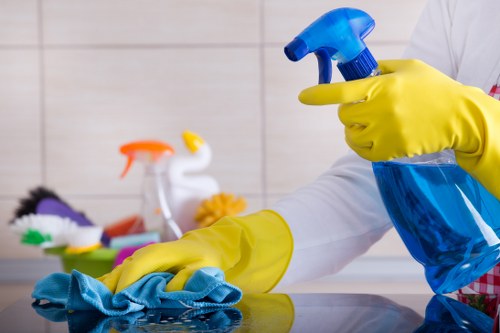
Coffee and tea are among the most common stain removal challenges, especially on white shirts, table linens, and upholstery. These beverages contain tannins, which can leave brownish marks that become more stubborn over time. The first step in stain removal is to blot excess liquid with a clean cloth. Avoid rubbing, since that can push the stain deeper into the fibers.
After blotting, rinse the area with cool water if the fabric allows it. A small amount of liquid detergent can help lift the stain before washing. For tougher marks, a paste of baking soda and water may assist in stain removal on durable fabrics. Always test any treatment on a hidden area first.
Grease and Oil Stains
Grease stains often appear on shirts, aprons, napkins, and kitchen textiles. Because oil repels water, simple rinsing rarely works. Instead, stain removal should focus on breaking down the grease. Dish soap is especially useful because it is designed to cut through oils. Apply a small amount directly to the stain, gently work it in, and let it sit before washing.
For carpet or upholstery stain removal involving oil, blot away residue and use a cleaner recommended for the surface. Cornstarch or baking soda can sometimes help absorb excess oil before washing or vacuuming. Do not dry the item until you are sure the stain is gone, because heat can set grease permanently.
Stain Removal for Clothes
Act Fast and Check the Label
Clothing stains are often the most frustrating because they are visible and personal. Successful stain removal on clothes starts with quick action. If possible, remove the garment and treat the stain immediately. Blot, rinse, or pre-treat based on the stain type. The faster you act, the better your chances of complete stain removal.
Always read the care label before using any cleaning product. Some fabrics can withstand stain removers and warm water, while others require cold water and delicate handling. Gentle, informed stain removal is better than aggressive cleaning that damages the garment.
Use a stain remover stick, liquid detergent, or a mild homemade mixture depending on the fabric and stain. Then wash according to the label instructions. If the stain remains after washing, repeat the process before drying. Heat from a dryer can make stain removal much harder later.
Useful laundry stain removal steps
- Blot the stain instead of rubbing it.
- Rinse from the back of the fabric when possible.
- Apply detergent or stain remover before washing.
- Use cold water for protein-based stains.
- Inspect the item before drying.
Stain Removal for Carpets and Rugs
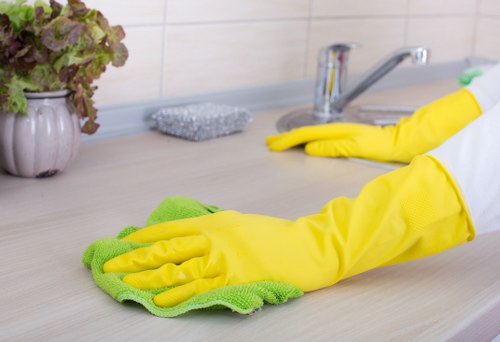
Carpets and rugs require a careful stain removal approach because excess moisture can damage the backing or spread the stain. Start by blotting up as much of the spill as possible using a clean, white cloth or paper towel. Work from the outside of the stain toward the center to prevent spreading. This basic stain removal method is especially important for liquids like juice, wine, or coffee.
After blotting, apply a carpet-safe cleaning solution. Mild dish soap mixed with water can help in many situations, though specialty carpet cleaners are often better for deeper stains. Avoid soaking the area. Instead, use a small amount of solution, blot again, and rinse lightly with clean water. Then dry the area thoroughly with towels or airflow.
For solid stains like mud, let the material dry before vacuuming or brushing it away. Attempting stain removal while mud is wet may smear it deeper into the fibers. If a stain keeps returning after drying, it may have soaked into the pad and require repeated treatment.
What not to do on carpets
- Do not rub aggressively.
- Do not use too much water.
- Do not mix cleaning chemicals casually.
- Do not apply heat before the stain is gone.
Stain Removal for Upholstery and Furniture
Testing First Is Essential
Upholstery stain removal requires extra caution because furniture fabrics vary widely in texture, color, and cleaning tolerance. Before applying any product, test a hidden area such as the back or underside of the cushion. This helps ensure the cleaner will not fade or damage the material. Many furniture care mistakes happen because someone skips this simple step.
For liquid spills, blot immediately with a dry cloth. If the upholstery is fabric-based, use a small amount of a suitable cleaner and continue blotting. Good stain removal on furniture is usually about patience, not force. Let the cleaner break down the stain, then lift it gently from the surface.
For leather furniture, use products specifically designed for leather stain removal. Harsh cleaners, excessive water, and abrasive cloths can harm the finish. Wipe gently and condition the surface if recommended by the manufacturer. Always follow the care instructions if available.
Best practices for furniture stain removal
- Blot spills immediately.
- Test cleaners in hidden spots.
- Use minimal moisture.
- Allow air drying when possible.
- Use surface-appropriate products only.
Home Remedies That Can Help with Stain Removal
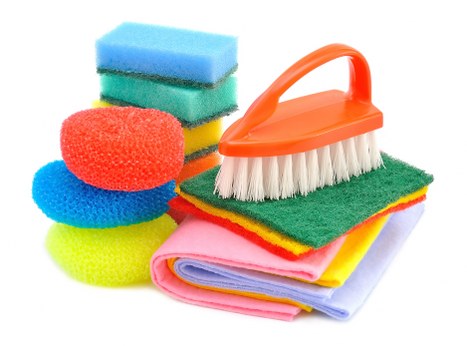
Many stain removal tasks can be handled with common household items. Vinegar, baking soda, dish soap, and hydrogen peroxide are frequently used in home cleaning routines. These options are appealing because they are affordable and easy to find. However, they should still be used carefully, especially on delicate fabrics or colored materials.
Baking soda is often used for absorbing odors and helping loosen residue from grease or liquid stains. White vinegar can assist with some water-based stain removal tasks and mineral marks. Dish soap remains one of the most versatile options for oil-based stains. Hydrogen peroxide may help with certain whitening tasks, but it should always be tested first because it can lighten some fabrics.
It is important to remember that home remedies are not universally suitable. Some stain removal mixtures can react poorly with certain materials or create new problems if overused. Always apply a small amount first and evaluate the result before continuing.
Stain Removal Mistakes to Avoid
Even with the best intentions, people often make simple mistakes that reduce the success of stain removal. One of the most common is rubbing the stain too hard. Rubbing spreads the stain and can damage the fibers. Blotting is almost always a better option. Another common mistake is using hot water too early, especially on protein-based stains like blood, egg, or milk. Heat can set these stains and make stain removal much harder.
Using too much cleaner is another problem. More product does not always mean better results. Excess detergent can leave residue, attract dirt, or make rinsing more difficult. A controlled amount of cleaner is usually all that is needed for effective stain removal. It is also a mistake to ignore the care label or to assume every fabric can handle the same treatment.
Finally, many people forget to check whether the stain is truly gone before drying. Dryers can permanently lock in a stain. If there is still a shadow or mark after washing, repeat the stain removal process rather than moving straight to heat.
Quick mistakes checklist
- Do not rub stains aggressively.
- Do not use hot water on unknown stains.
- Do not overuse cleaning products.
- Do not skip fabric care labels.
- Do not dry stained items too soon.
Stain Removal Products: Choosing the Right One
The market offers many stain removal products, from sprays and pens to powders and enzyme-based solutions. The best choice depends on the stain and the material. A general laundry stain remover is helpful for everyday clothing stains, while a specialized upholstery cleaner may be better for furniture. Enzyme cleaners are especially effective for organic stains because they break down the proteins and other compounds that cause discoloration.
When choosing a product, look for clear instructions and surface compatibility. Some stain removal products are designed for whites, while others are safe for colors. Others may be intended only for washable fabrics. Reading labels carefully can save time and prevent mistakes. If you prefer a simpler routine, keep a small selection of multipurpose cleaners in your home so you can respond quickly to spills.
Effective stain removal is less about owning many products and more about using the right one at the right time. A well-chosen product, applied correctly, often works better than a stronger product used carelessly.
Preventing Stains Before They Happen
While stain removal is essential, prevention can reduce how often you need it. Simple habits make a noticeable difference. Using placemats, coasters, napkins, and protective sprays can help protect fabrics and surfaces. Prompt cleanup after meals or activities also reduces the risk of lasting stains. If a spill happens, taking action immediately is the most effective prevention strategy of all.
In the laundry room, sorting clothes by color and fabric type can help reduce color transfer and make stain removal easier later. Treating visible spots before washing also improves results. For carpets and upholstery, routine vacuuming and periodic deep cleaning can prevent dirt from becoming stubborn marks. Prevention does not eliminate all accidents, but it can significantly reduce the need for intensive stain removal.
It also helps to build a simple stain removal kit. Include paper towels, a soft brush, mild detergent, stain remover spray, and a few clean cloths. Having these items ready means you can act quickly when accidents occur.
Simple prevention habits
- Use protective coverings on high-use surfaces.
- Treat spills immediately.
- Keep a stain removal kit nearby.
- Follow fabric and furniture care instructions.
- Regularly clean items before dirt builds up.
When Professional Help Makes Sense
Some stains are too large, too old, or too delicate for home treatment. In these cases, professional stain removal may be the best option. This is especially true for valuable garments, antique textiles, luxury upholstery, and carpets with deep-set discoloration. A professional cleaner has access to specialized products and equipment that can improve the chances of success without harming the item.
Professional stain removal is also worth considering when a stain has already survived several at-home attempts. Repeated DIY treatment can sometimes weaken fibers or make the stain more difficult to remove. If you are unsure, it is often safer to seek expert help rather than risk permanent damage. For important items, the cost of professional service is usually worth the result.
Choosing professional stain removal at the right time can protect both the appearance and value of your belongings.
Final Thoughts on Stain Removal
Stain removal is a practical life skill that can make everyday cleaning far less stressful. From clothing and carpets to upholstery and hard surfaces, the key principles remain the same: act quickly, identify the stain type, use the right method, and avoid common mistakes. With these habits, most spills can be handled effectively before they become long-term problems.
Whether you are dealing with coffee, grease, mud, or a mystery mark, stain removal becomes easier when you stay calm and work step by step. The goal is not perfection every time; it is reliable, smart cleaning that protects your belongings and keeps your home looking fresh. A little knowledge goes a long way in stain removal, and the right response at the right moment can make all the difference.
If you are ready to improve your cleaning routine and keep your fabrics and surfaces in better condition, start by applying one or two of the methods above today. Contact us today to learn more about practical cleaning solutions, or book your service now if you want professional support for tougher stain removal challenges.