Upholstery Cleaning in Modern Homes: Refresh, Protect, and Extend the Life of Your Furniture
Why Upholstery Cleaning Matters for Every Home
Upholstery cleaning is one of the most overlooked parts of home care, yet it has a major impact on comfort, hygiene, and the overall look of your space. Sofas, armchairs, dining chairs, sectionals, ottomans, and even office seating collect dust, body oils, allergens, spills, and everyday grime over time. Without regular upholstery cleaning, fabric fibers begin to look dull, feel rough, and hold unwanted odors.
Many homeowners focus on vacuuming floors and wiping countertops, but upholstered furniture often absorbs more contaminants than people realize. Furniture cleaning is not just about appearance; it helps maintain a healthier indoor environment. If you have children, pets, or frequent guests, upholstery can trap even more debris, making routine care especially important.
Professional upholstery cleaning and consistent home maintenance work together to preserve fabric integrity and keep furniture looking fresh for longer. When done properly, upholstery cleaning can revive colors, reduce allergens, and improve the feel of your living room, bedroom, or office. If your furniture has lost its original vibrancy, now is the perfect time to take action and book your service now.
What Upholstery Cleaning Involves
Upholstery cleaning refers to the process of removing dirt, stains, odors, and buildup from fabric-covered furniture. Depending on the material, this may include vacuuming, pre-treatment, steam cleaning, dry cleaning, spot cleaning, and deodorizing. The right method depends on the type of upholstery, the condition of the item, and the nature of the stains.
There are many fabric types used in modern furniture, including cotton, linen, microfiber, velvet, polyester blends, wool, and leather. Each material reacts differently to moisture, heat, and cleaning agents. That is why upholstery cleaning services often begin with a careful inspection and fabric assessment before any cleaning solution is applied.
In practical terms, upholstery cleaning targets the hidden buildup inside cushions and seams. A sofa may look clean on the surface while still containing crumbs, pet hair, skin cells, and dust mites beneath the fabric. With the right sofa cleaning approach, these contaminants can be removed effectively, helping extend the lifespan of your furniture and keeping it more comfortable for daily use.
Common Signs Your Furniture Needs Cleaning
It is not always obvious when your furniture needs attention, but there are several warning signs to watch for. The most common include visible stains, fading, unpleasant smells, and a generally worn appearance. Even if the fabric seems fine at first glance, a closer look may reveal discoloration on armrests, food spills near seat cushions, or pet-related buildup.
Another sign is the presence of dust or a rough texture. If your upholstery feels sticky, oily, or dull, it may be time for a deeper clean. Upholstery cleaning can also help when allergy symptoms seem worse indoors. Dust mites, pollen, and pet dander often settle into fabric and are difficult to remove with routine surface cleaning alone.
Homes with frequent use tend to show the need for fabric cleaning faster. Family rooms, waiting areas, and shared seating spaces usually accumulate dirt more quickly than rarely used spaces. Regular upholstery cleaning helps maintain a polished look and supports a cleaner, more inviting atmosphere for everyone in the home or workplace.
Typical indicators include:
- Visible food and drink stains
- Persistent odors from pets or spills
- Flattened or dull-looking fabric
- Dust accumulation in seams and creases
- Worsening allergy symptoms indoors
Benefits of Professional Upholstery Cleaning
While basic care can be handled at home, professional upholstery cleaning offers deeper and more reliable results. Trained technicians understand how to treat different fabrics without causing damage. They use specialized tools and cleaning products designed to lift dirt from below the surface, rather than simply masking it.
One of the biggest benefits is stain removal. Spills from coffee, wine, ink, food, and body oils can become permanent if not handled correctly. A professional approach improves the chances of removing these marks safely. In addition, deep cleaning can reduce lingering odors caused by smoke, pets, or moisture.
Another advantage is improved indoor air quality. Furniture can hold airborne particles that recirculate every time someone sits down. By investing in upholstery cleaning, homeowners can reduce hidden allergens and improve the overall freshness of their living space. Deep upholstery cleaning is especially useful for households with children, pets, or anyone sensitive to dust and allergens.
Additional advantages include:
- Longer furniture lifespan
- Better appearance and texture
- Reduced buildup of bacteria and allergens
- More pleasant indoor odors
- Protection of your furniture investment
How Upholstery Cleaning Works
The upholstery cleaning process usually begins with a detailed inspection. This helps identify the fabric type, problem areas, and the most suitable cleaning method. A technician may test a small, hidden area before starting to ensure the chosen solution is safe and effective.
Next comes vacuuming. This step removes loose dust, pet hair, and debris from the surface and between cushions. After that, targeted pre-treatment may be applied to stains and heavily soiled areas. Depending on the fabric, a technician might use hot water extraction, low-moisture cleaning, dry foam, or solvent-based treatment. Each technique serves a different purpose in furniture upholstery cleaning.
Finally, the upholstery is often deodorized and allowed to dry properly. Drying time varies based on the cleaning method, room temperature, and ventilation. Good airflow helps prevent mildew or residue. A well-executed upholstery cleaning process should leave the furniture cleaner, fresher, and ready for normal use as soon as possible.
Choosing the Right Cleaning Method for Your Fabric
Not every fabric should be cleaned the same way. Delicate materials like silk or velvet require careful handling, while synthetic fabrics may tolerate moisture better. Choosing the wrong method can lead to shrinking, color bleeding, water marks, or texture damage. That is why professional upholstery cleaning is often worth the investment.
For example, microfiber often responds well to low-moisture techniques, while cotton blends may be suitable for hot water extraction if the manufacturer allows it. Leather requires different products entirely, often including conditioning along with surface cleaning. A qualified technician will assess the manufacturer’s label, look for cleaning codes, and recommend the safest option.
If you are cleaning furniture yourself, always read the fabric care instructions first. A label marked W usually means water-based cleaning is acceptable, while S indicates solvent-based cleaning only. Codes WS or SW suggest either method may work. Understanding these labels helps you avoid mistakes and makes upholstery maintenance much easier in the long run.
DIY Upholstery Cleaning Tips for Homeowners
Simple maintenance steps that help between professional services
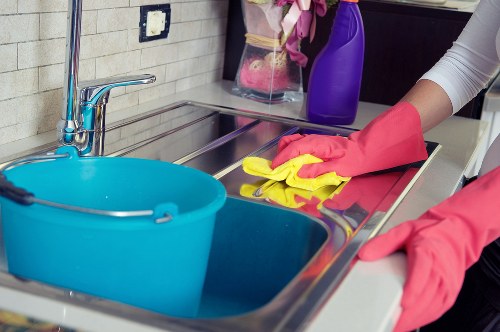
Many homeowners want to keep furniture looking good between professional visits, and a few simple habits can make a big difference. Regular vacuuming with an upholstery attachment is one of the easiest ways to prevent dirt from settling deep into the fabric. Focus on seams, cushions, and crevices where debris tends to collect.
Prompt spot treatment is also important. If a spill happens, blot it gently with a clean cloth rather than rubbing it in. Rubbing can push the stain deeper into the fibers. Use only cleaning products that are safe for the specific fabric, and test them on an inconspicuous area first. This is especially important for delicate materials and dyed fabrics.
Odor control matters too. Lightly sprinkling baking soda on dry upholstery, letting it sit briefly, and vacuuming it up can help reduce surface smells. However, this is not a substitute for thorough upholstery cleaning. If your furniture needs more than basic upkeep, professional fabric care may be the better choice.
- Vacuum furniture weekly
- Blot spills immediately
- Rotate and fluff cushions
- Avoid direct sunlight to reduce fading
- Use fabric-safe protectants when appropriate
How Often Should Upholstery Be Cleaned?
The ideal cleaning schedule depends on usage, household size, and lifestyle. In general, upholstery cleaning should be done at least once a year for most homes. However, high-traffic households may need it every six to nine months. Homes with pets, young children, or allergy concerns may benefit from even more frequent service.
Office furniture and commercial seating often need regular care because they are used by many different people each day. Waiting rooms, reception areas, and meeting spaces can collect dirt quickly, and a scheduled upholstery cleaning routine helps maintain a professional appearance. Clean seating also contributes to a more comfortable experience for visitors and employees alike.
If you notice stains, odors, or visible grime before your next scheduled service, do not wait. Addressing the issue early often leads to better results and lower long-term maintenance costs. The more regularly you care for your furniture, the easier it is to protect its appearance and value.
Why Upholstery Cleaning Supports a Healthier Home
A clean home is more than just visually appealing. Upholstered furniture can harbor allergens, bacteria, and dust that affect everyday comfort. Upholstery cleaning helps remove particles that vacuuming the floor alone cannot address. This is especially valuable for households dealing with asthma, allergies, or pet-related sensitivities.
Furniture can also absorb moisture from the air, spills, and body contact. In humid environments, that moisture may contribute to unpleasant odors or even mildew if the upholstery is not cleaned and dried properly. Regular maintenance helps prevent these issues before they become difficult to manage.
In addition, fresh furniture contributes to a more welcoming living space. When sofas, chairs, and cushions look and smell clean, the entire room feels more cared for. For many people, upholstery cleaning is a simple but effective way to improve comfort, support better indoor hygiene, and make the home more enjoyable every day.
Upholstery Cleaning for Different Types of Furniture
Different furniture pieces require different attention. Sofas and sectionals typically need the most frequent care because they are used daily. Armchairs may collect less dirt overall, but they often show wear on the arms and headrest areas. Dining chairs are prone to food spills, while ottomans and benches may gather dust and shoe-related marks.
Office chairs and commercial seating present their own challenges. They often experience repeated use, which means sweat, oils, and general buildup can develop quickly. A structured upholstery cleaning plan helps maintain these items and keep workspaces looking professional. For larger spaces, scheduling routine commercial upholstery cleaning can be a smart investment.
Leather furniture also deserves special attention. Although it does not trap dust the same way fabric does, it can dry out, crack, and lose its finish if neglected. Cleaning and conditioning leather properly can preserve its appearance and extend its life. Whether you are dealing with fabric or leather, the goal of upholstery cleaning is the same: protect the material while restoring its best possible look.
Furniture types that benefit from regular care:
- Sofas and sectionals
- Recliners and armchairs
- Dining chairs and benches
- Ottomans and footstools
- Office chairs and lobby seating
Stain Removal Challenges and Best Practices
Stains are one of the biggest reasons people seek upholstery cleaning. The sooner a stain is treated, the better the chance of removing it completely. Fresh spills are easier to lift than old, set-in marks. That is why quick action matters, especially with liquids like coffee, juice, wine, or pet accidents.
Different stains require different solutions. Oil-based stains may need a degreasing agent, while organic stains may respond to enzymatic treatments. Ink, makeup, and dye transfer may be more difficult and require a professional touch. Using the wrong product can worsen the stain or damage the fabric, so caution is essential.
Effective upholstery cleaning is not just about scrubbing harder. It is about using the correct method for the stain and the fabric. Gentle blotting, controlled product application, and adequate drying time all play a role in success. If a stain is stubborn, avoid repeated harsh treatment and consider expert help before the damage becomes permanent.
Odor Removal and Freshness Restoration
Odors in furniture can come from pets, smoke, food, sweat, and trapped moisture. Over time, these smells become more noticeable, especially in soft furnishings. Upholstery cleaning helps eliminate the source of the odor rather than simply covering it up with fragrance sprays or powders.
Deep cleaning can remove odor-causing particles embedded in fabric and padding. Deodorizers may also be used as part of the process, but they are most effective when paired with a thorough cleaning method. For homes with pets or heavy daily use, odor removal is one of the most appreciated benefits of upholstery cleaning.
A fresh-smelling sofa or chair can change how a room feels almost immediately. It creates a cleaner atmosphere and makes the home more inviting. If your furniture still smells stale after routine cleaning, it may be time for a deeper treatment. Book your service now if you want to restore freshness and comfort to your space.
How Upholstery Cleaning Extends Furniture Life
Furniture is an investment, and proper care helps protect that investment. Dirt particles can act like sandpaper on fabric fibers, slowly wearing them down each time someone sits or shifts position. Regular upholstery cleaning removes this abrasive buildup and helps preserve the texture and structure of the material.
Spills and stains can also weaken fibers over time if they are left untreated. Moisture may seep into padding and seams, causing long-term damage beneath the surface. By cleaning upholstery regularly, homeowners can reduce this risk and keep the furniture looking newer for longer.
There is also a visual benefit. Clean upholstery makes a room feel more polished and well maintained. Instead of replacing worn-looking furniture too soon, you can extend its life through careful upkeep. That is why many homeowners see upholstery cleaning not as an expense, but as a smart way to protect value and enjoy better-looking furniture year after year.
Signs It Is Time to Call a Professional
Some cleaning tasks are simple, but there are situations where professional support is the best option. If a stain has set in, if the fabric is delicate, or if the furniture has strong odors that home methods cannot remove, a trained cleaner can help. Professional upholstery cleaning is also ideal when you need a faster, more thorough result.
Another reason to call a specialist is uncertainty about fabric type. Different materials need different treatment, and guessing can be risky. If you are not sure what kind of cleaning your upholstery needs, let an expert inspect it first. This reduces the chances of shrinkage, fading, or water damage.
Sometimes a professional clean is simply the most practical choice. Large sectionals, heavily used seating, and commercial furniture can take too much time to handle alone. With the right tools and knowledge, a professional can restore freshness efficiently while protecting the upholstery from unnecessary wear.
Consider professional help when you notice:
- Persistent odors that keep returning
- Old or difficult stains
- Delicate or expensive fabrics
- Allergy concerns from dust and dander
- Furniture that looks dull despite regular vacuuming
Final Thoughts on Upholstery Cleaning
Upholstery cleaning is an essential part of keeping a home or workspace clean, attractive, and comfortable. It improves appearance, reduces hidden dirt and allergens, helps remove odors, and extends the life of your furniture. Whether you handle basic maintenance yourself or rely on a professional, regular care makes a noticeable difference.
From sofas and dining chairs to office seating and decorative ottomans, every upholstered piece benefits from proper attention. The right cleaning methods preserve fabric quality while restoring freshness and improving the overall feel of the room. With routine upholstery cleaning, your furniture can continue looking its best for years.
If your furniture is overdue for attention, now is the time to act. Contact us today to refresh your upholstery, protect your investment, and enjoy a cleaner living environment. Do not wait until stains and odors become harder to manage—book your service now and bring new life back to your furniture.